

Database Misclassifications
These cases involve the deaths or disappearances of Indigenous relatives in Alaska, many of which authorities have determined were not the result of foul play.
In every case, however, the families of the persons have said they do not accept the official findings. Some believe that their loved ones may have been victims of homicide and that their cases deserve further investigation. Information surrounding several of these cases raises additional questions, including reports of suspicious circumstances, unexplained injuries, bruising, and other details that families and advocates say warrant closer scrutiny.
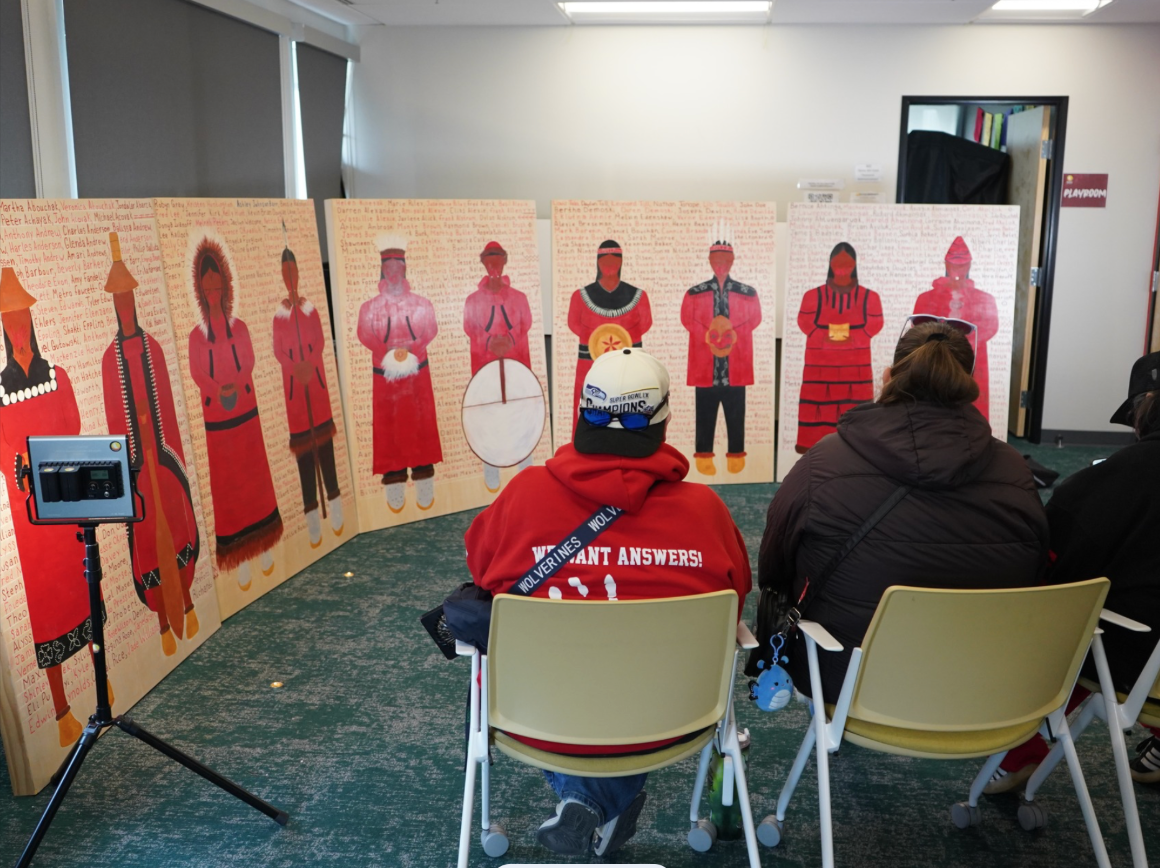
For many advocates working to address missing and murdered Indigenous persons in Alaska, these cases highlight the need for greater transparency, accountability, and thorough investigation—particularly when the circumstances surrounding a death or disappearance remain unclear.
You can learn more about each case below. These are only a handful of the misclassified cases in Alaska.
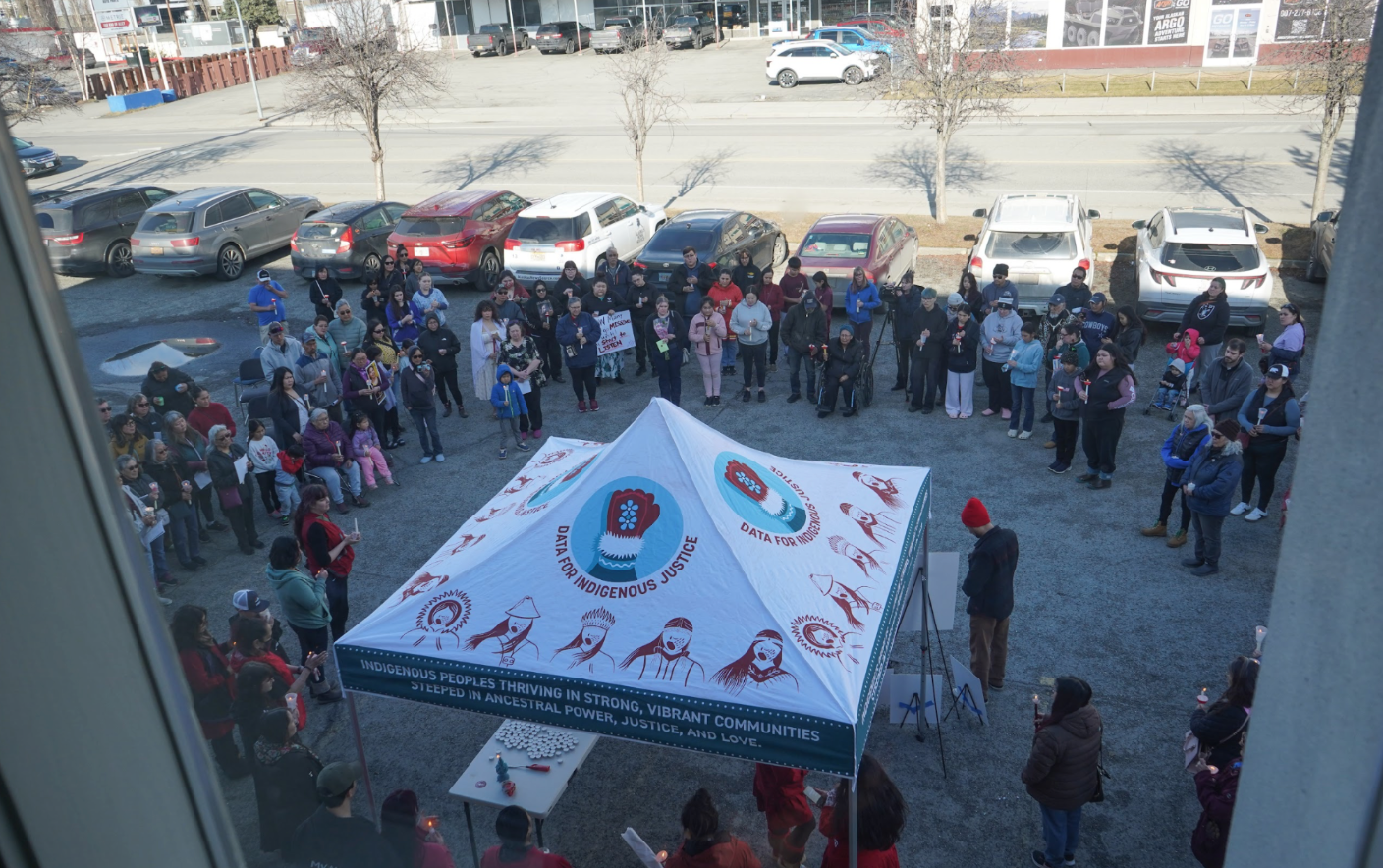
To this day, Data for Indigenous Justice has one of the most comprehensive amounts of data for the state of Alaska. This data is informed directly by the community that fills the gaps of where system issues have persisted.
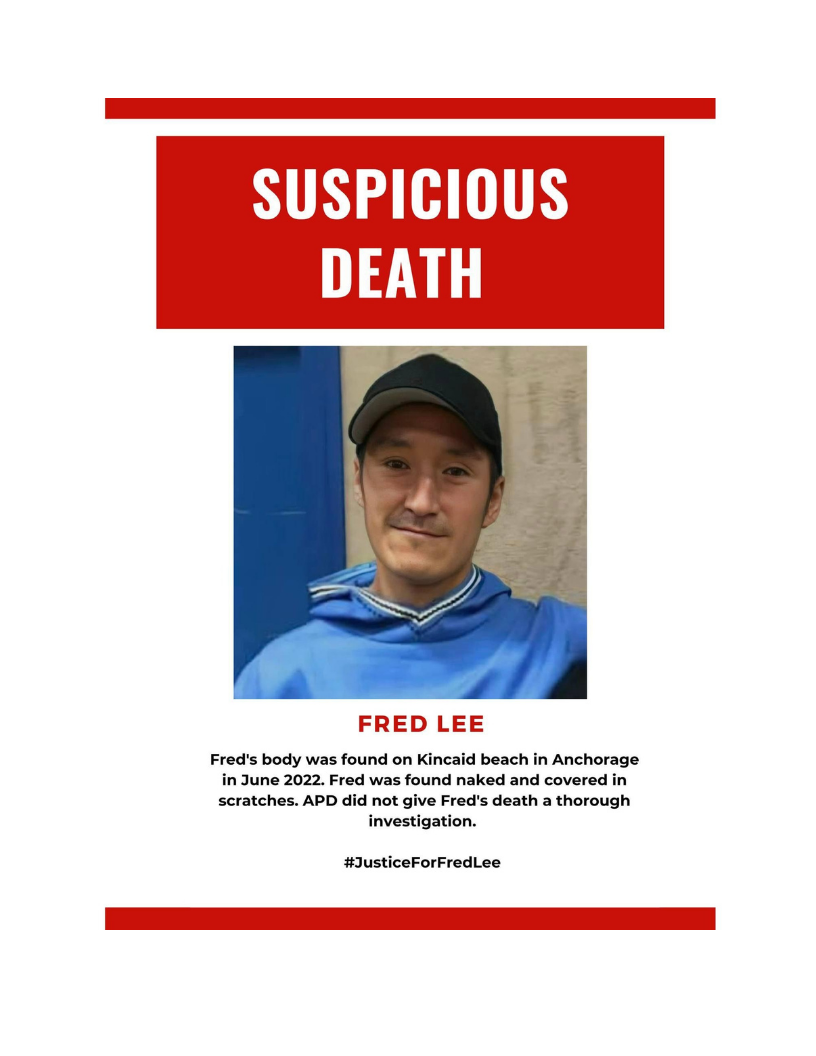
Fred Lee
State Classification: Ruled accidental overdose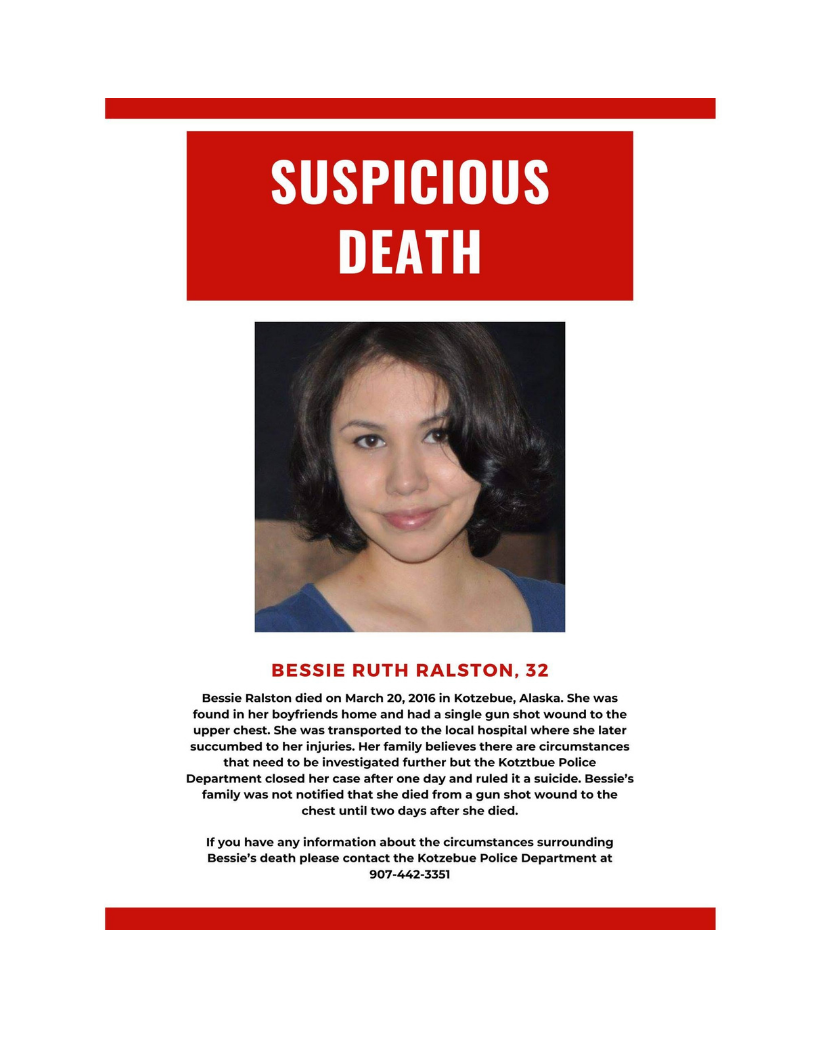
Bessie Ralston
State Classification:Ruled suicide Elaine Cleveland
State Classification: Ruled Accidental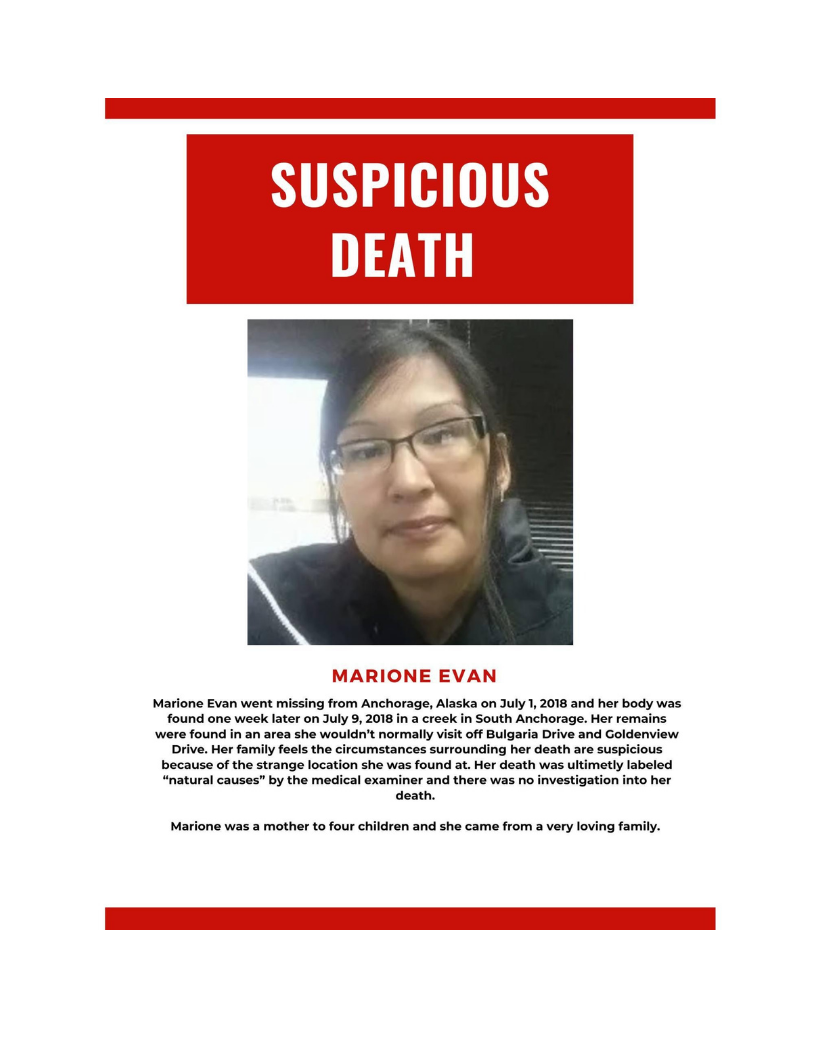
Marione Evan
State Classification: Ruled Accidental Overdose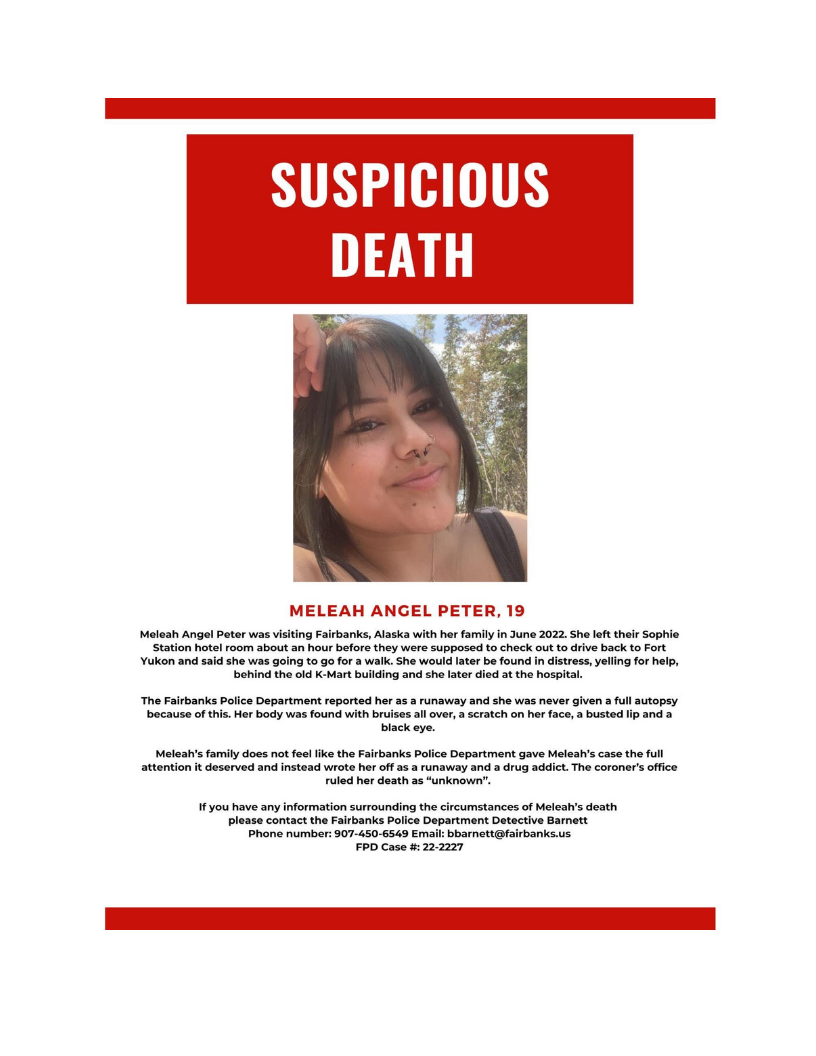
Meleah Peter
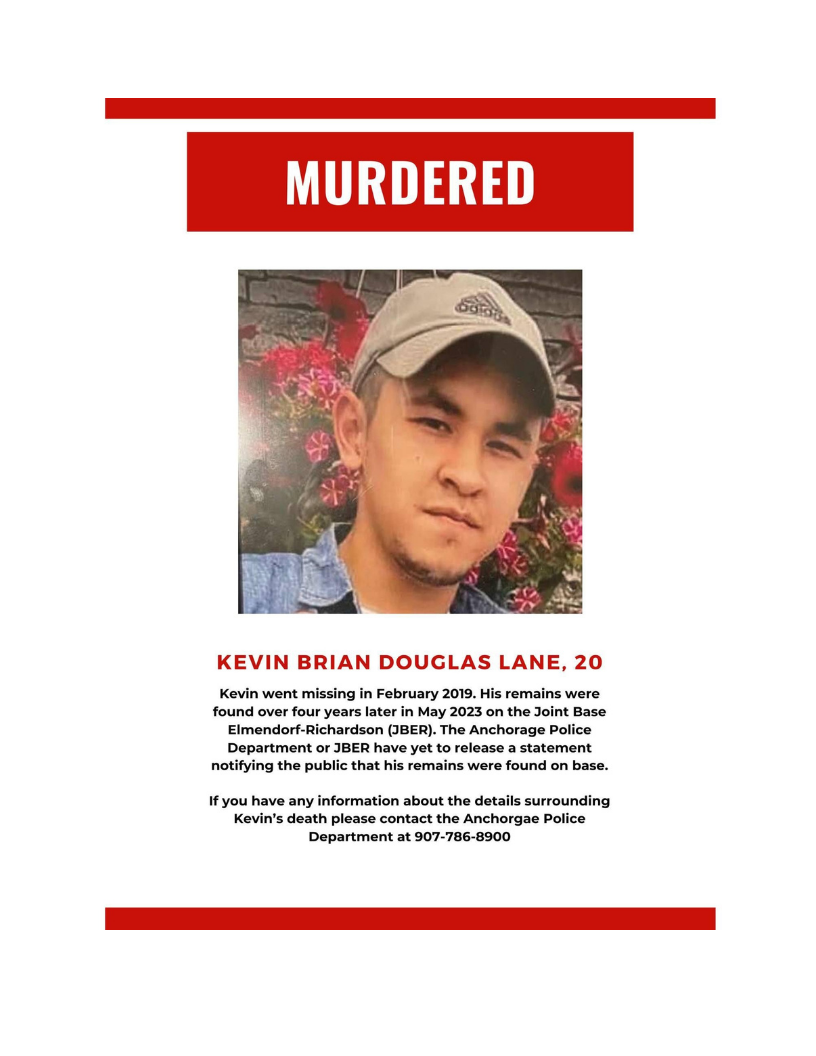
Kevin Lane
State Classification: Ruled Accidental OverdoseState Classification: Ruled Accidental Drowning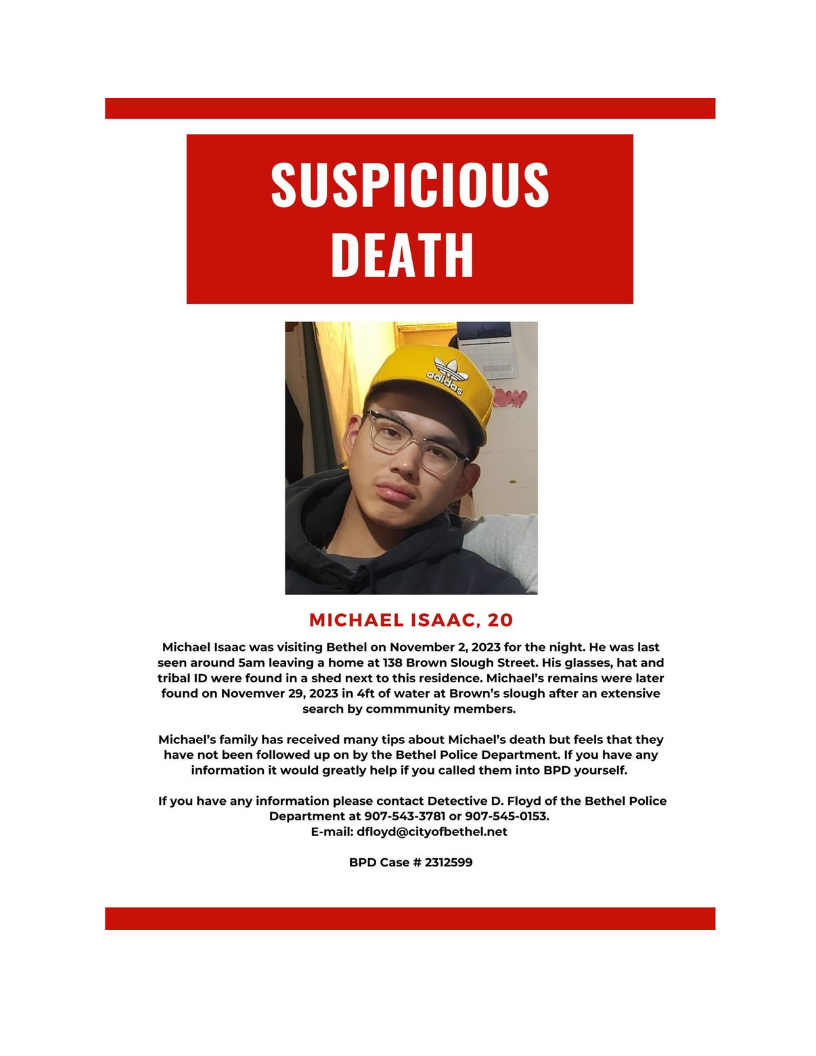
Michael Isaac
State Classification: Ruled Accidental Drowning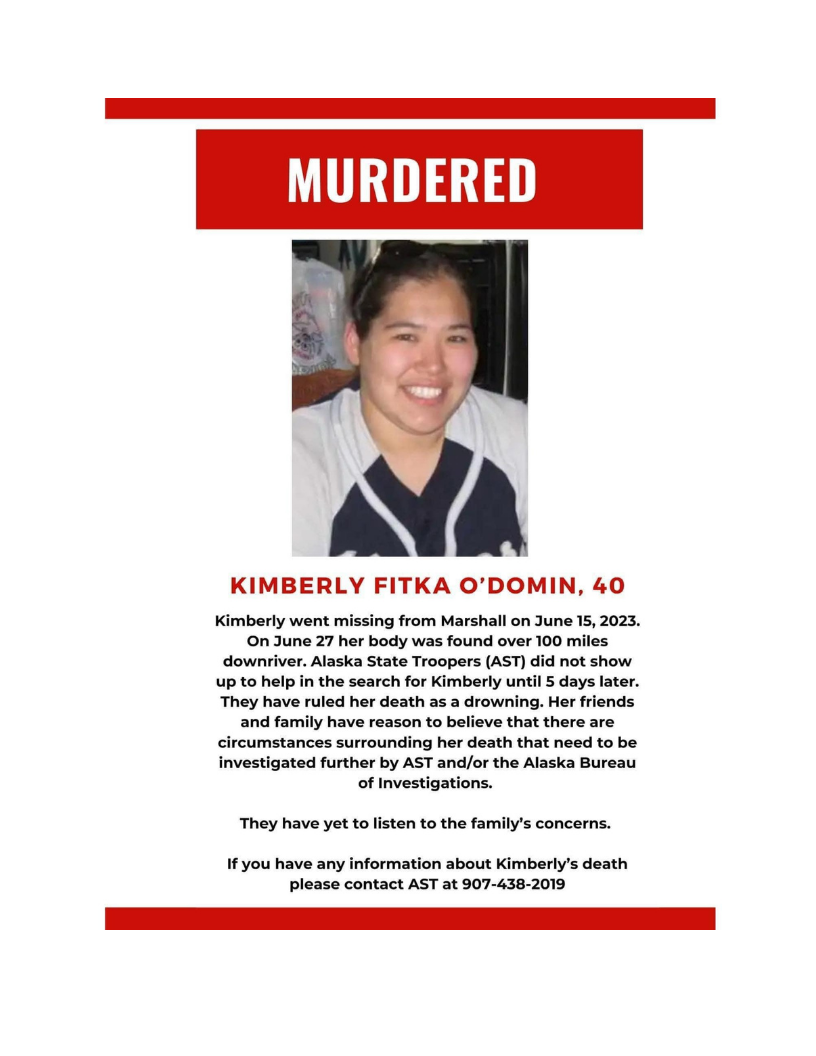
Kimberly O’Domin
Jennifer Kirk
State Classification: Ruled suicide 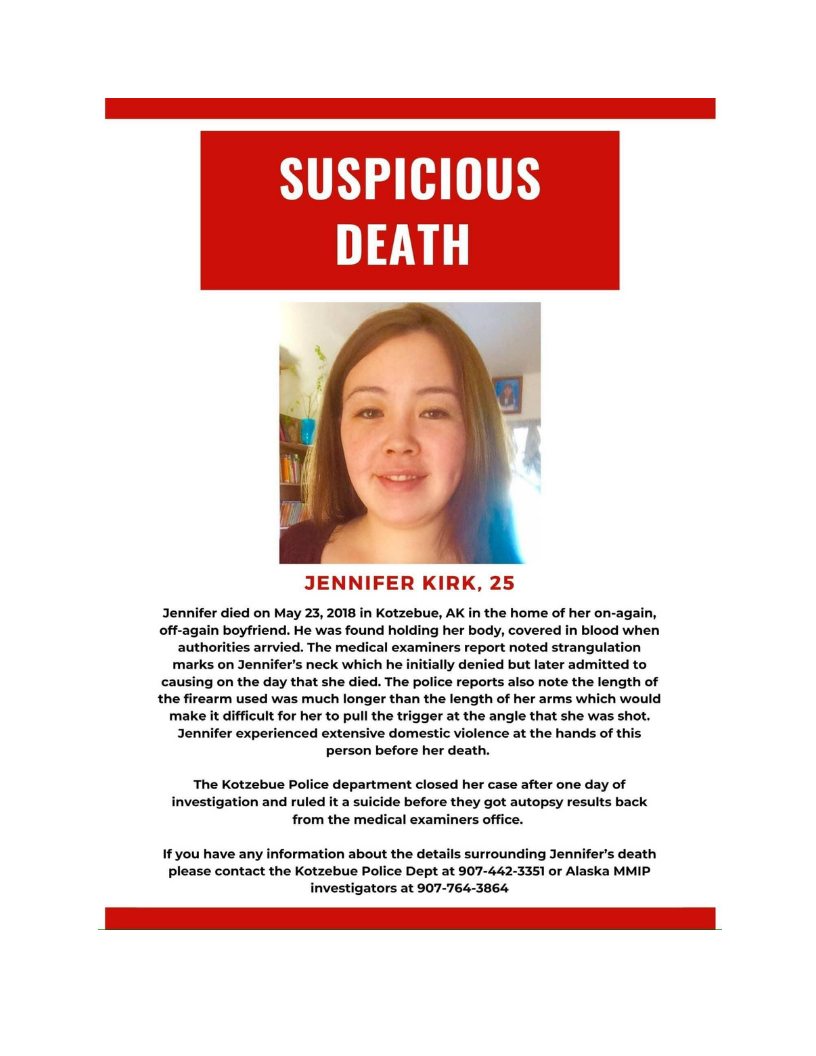
State Classification: Ruled Accidental OverdoseFederal, state and local agencies all track missing and murdered Indigenous people (MMIP) cases differently, which creates large disparities in data. These data gaps are apparent when family members of loved ones submit requests for information on their loved one or when organizations such as DIJ request to obtain any information. Organizers like Data for Indigenous Justice's executive director, Charlene Aqpik Apok, began grassroots efforts to compile community-sourced MMIP cases. Presently, local organizations work alongside Data for Indigenous Justice to address the data gaps, create needed policy change, and infiltrate public safety commissions while working in direct response to the needs of our communities.
To learn more about the misclassification of data - look into this resource from NICOA.
Submit to the Database
If you are a loved one of a missing or murdered relative, submit your loved one's name to the MMIWG2S database below. Please know that this data and the information gathered are housed with care, love, and respect. Together, we can ensure that their stories and the love they shared continue to resonate in our hearts and minds.